
-
Call us now+91-9921935252
-
Email nowinfo@shivshahicab.com
Shiv Shahi Cabs:
Your Royal Road Trip Partner
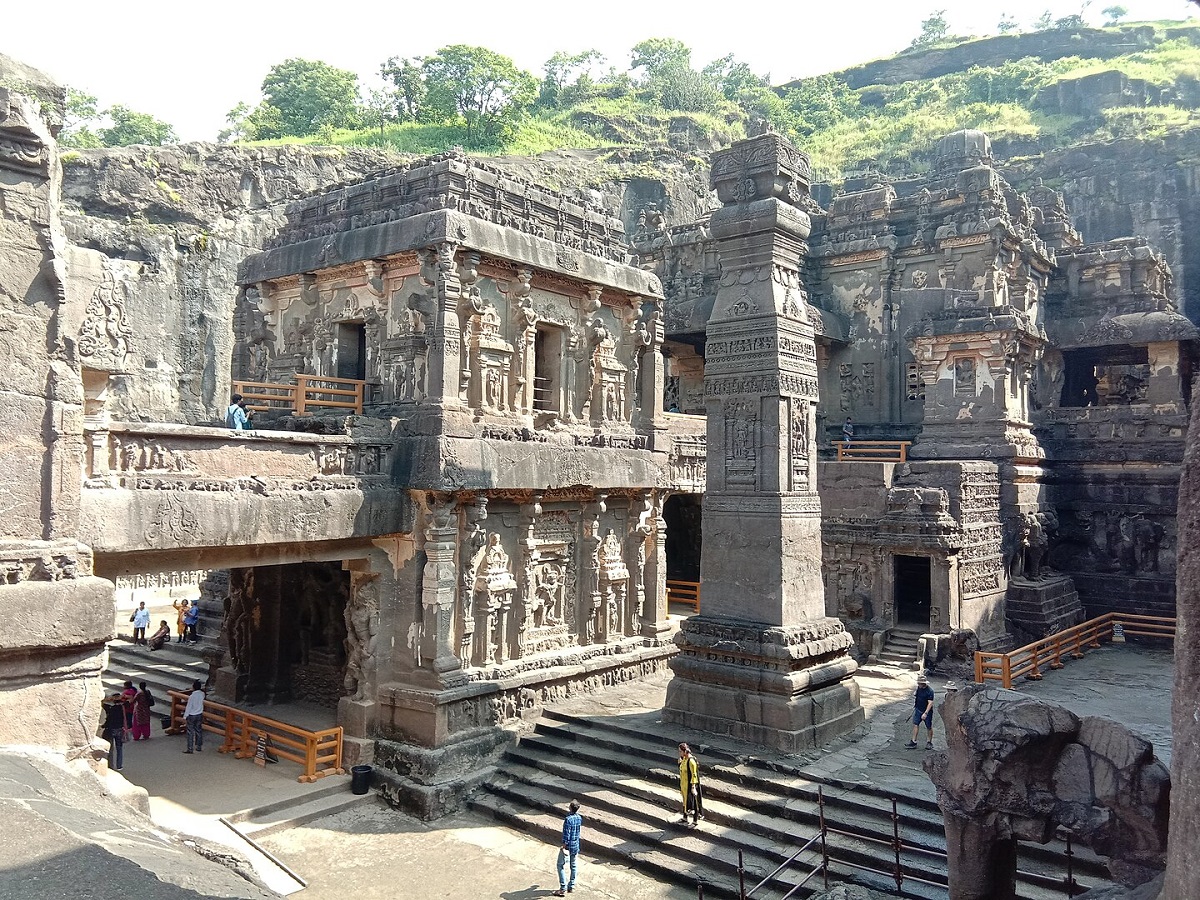
The Ellora Caves, located in Chhatrapati Sambhajinagar (Aurangabad), Maharashtra, are a UNESCO World Heritage Site and one of the largest rock-cut cave complexes in the world. Dating from 600 to 1000 CE, the site showcases an extraordinary blend of Hindu, Buddhist, and Jain monuments, reflecting India’s rich spiritual and cultural diversity.
Renowned as a masterpiece of Indian rock-cut architecture, Ellora features more than 100 caves carved into the basalt cliffs of the Charanandri Hills, of which 34 are open to visitors. These include 17 Hindu (Caves 13–29), 12 Buddhist (Caves 1–12), and 5 Jain (Caves 30–34) shrines, each illustrating the deities, symbols, and stories central to their respective faiths. The close proximity of these caves stands as a powerful symbol of religious harmony in ancient India.
Located about 29 km from Chhatrapati Sambhajinagar (Aurangabad) and 300 km from Mumbai, the Ellora Caves, along with the nearby Ajanta Caves, continue to draw travelers, historians, and art lovers from around the world. Today, they stand under the protection of the Archaeological Survey of India (ASI) as a shining testament to India’s artistic genius and spiritual heritage.
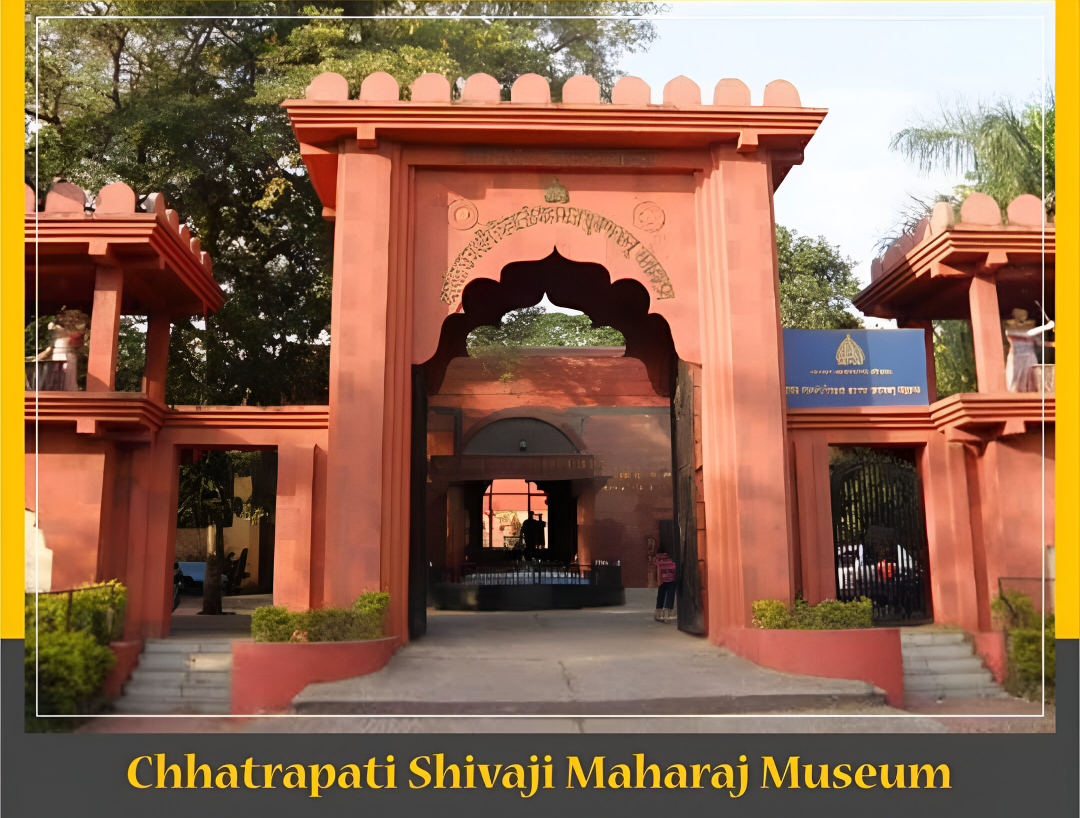
Located in the historic city of Chhatrapati Sambhajinagar (Aurangabad), the Chhatrapati Shivaji Maharaj Museum stands as a proud symbol of Maharashtra’s glorious past and the valour of the great Maratha king, Chhatrapati Shivaji Maharaj. This museum offers visitors a captivating journey through the life, achievements, and legacy of the legendary warrior who laid the foundation of the Maratha Empire.
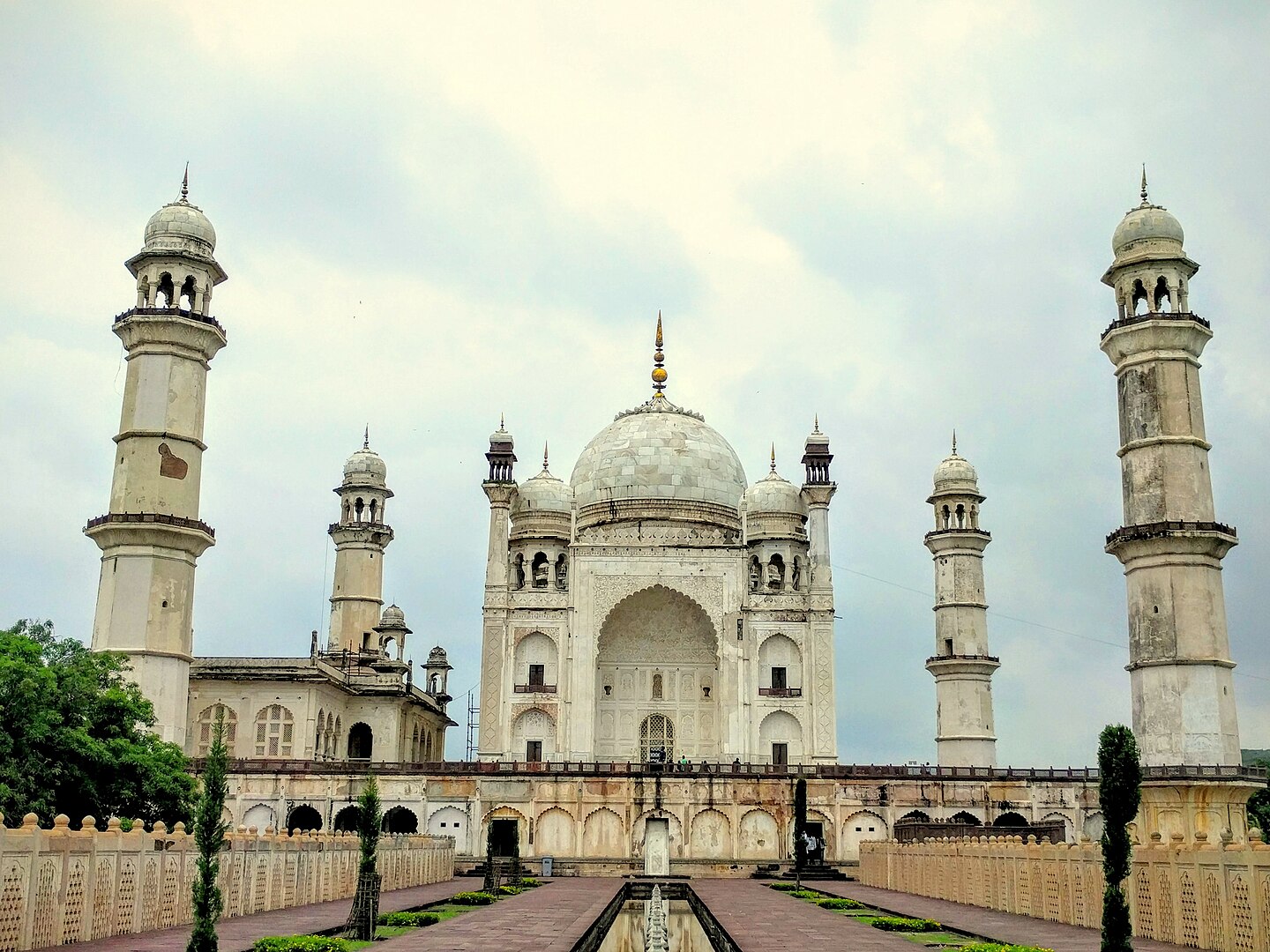
Located in the heart of Chhatrapati Sambhajinagar (Aurangabad), Bibi-ka-Maqbara is one of the most remarkable examples of Mughal architecture in southern India. Often referred to as the “Taj of the Deccan”, this magnificent mausoleum was built by Prince Azam Shah, son of Emperor Aurangzeb, in memory of his beloved mother, Dilras Banu Begum.
Constructed between 1651 and 1661 AD, Bibi-ka-Maqbara closely resembles the iconic Taj Mahal of Agra, though on a smaller scale. Its white marble dome, graceful minarets, and intricately carved walls reflect the grandeur and elegance of Mughal craftsmanship. The monument is surrounded by beautifully landscaped gardens, water channels, and fountains that create a serene and romantic atmosphere.
Perched on a conical hill about 15 km from Chhatrapati Sambhajinagar (Aurangabad), Daulatabad Fort, also known as Devgiri Fort, stands as one of the most magnificent and well-preserved forts in India. Built in the 12th century by the Yadava dynasty, this architectural marvel is famed for its strategic location, ingenious defense mechanisms, and breathtaking views.
Originally named Devgiri (Hill of the Gods), the fort gained prominence when Muhammad bin Tughlaq made it his capital in the 14th century and renamed it Daulatabad (“City of Fortune”). Over centuries, the fort witnessed the reigns of several dynasties — including the Yadavas, Khiljis, Tughlaqs, Bahmanis, and Mughals — each leaving behind traces of their architectural styles and history.
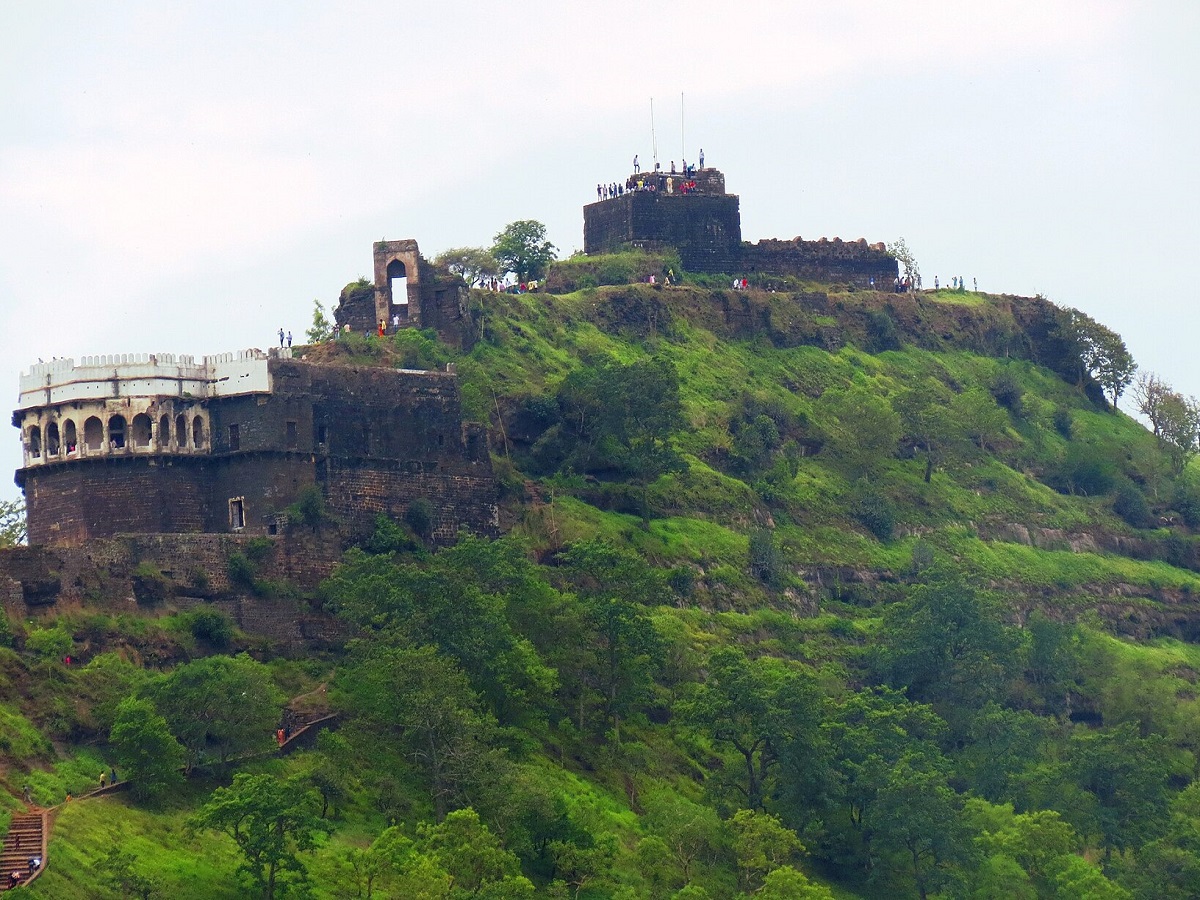
Daulatabad Fort is a masterpiece of medieval military engineering. Surrounded by towering walls, moats, and a steep hill pathway, the fort was nearly impossible to conquer. The unique entrance design, false doors, and complex maze-like passages were built to confuse and trap enemies. Inside, visitors can explore the Chand Minar, Bharat Mata Temple, Andheri (Dark Passage), and Royal Palaces, each echoing stories of valor and brilliance.
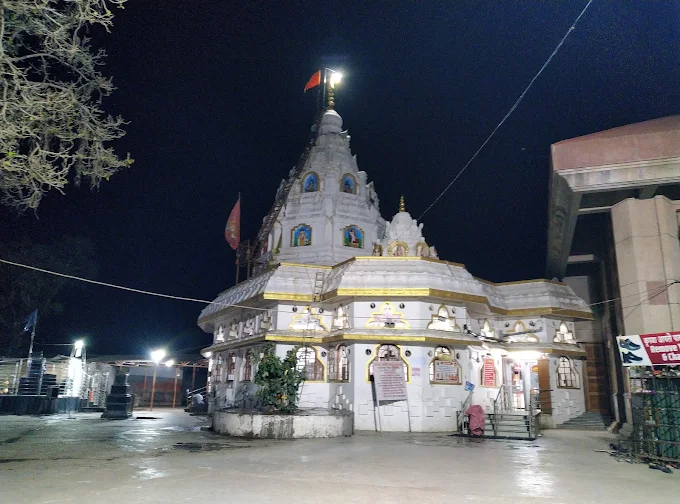
Located in Chhatrapati Sambhajinagar (Aurangabad), the Sleeping Hanuman Mandir is a unique and sacred temple dedicated to Lord Hanuman, revered as the embodiment of strength, devotion, and courage. What makes this temple truly special is the rare depiction of Lord Hanuman in a reclining (sleeping) posture, a form seldom seen in temples across India.
Unlike traditional temples where Lord Hanuman is shown standing or kneeling in devotion, here He is seen lying peacefully — symbolizing rest after completing His divine mission of serving Lord Rama. The serene idol reflects deep tranquility and spiritual fulfillment, drawing devotees seeking peace, protection, and inner strength.
The Sleeping Hanuman Mandir is believed to radiate powerful positive energy. Devotees visit to seek blessings for courage, health, and success, as well as relief from life’s troubles. It is also said that sincere prayers at this temple help remove obstacles and bring mental calmness.
The temple is located in Chhatrapati Sambhajinagar (Aurangabad), Maharashtra, easily accessible by road. It is a popular stop for devotees and tourists exploring the city’s cultural and spiritual landmarks.
Located in the historic city of Chhatrapati Sambhajinagar (Aurangabad), Panchakki, also known as the Water Mill, is a remarkable example of medieval Indian engineering and architecture. Built in the 17th century, this ancient structure was designed to harness the natural flow of water to generate energy — long before modern technology existed.
The name Panchakki literally means “water wheel.” The system ingeniously channels water from a spring located over 8 km away through underground clay pipes. The flowing water drives a large grinding mill, which was once used to grind grains for pilgrims, soldiers, and devotees visiting the nearby Sufi shrine of Baba Shah Musafir, a revered saint of the time.
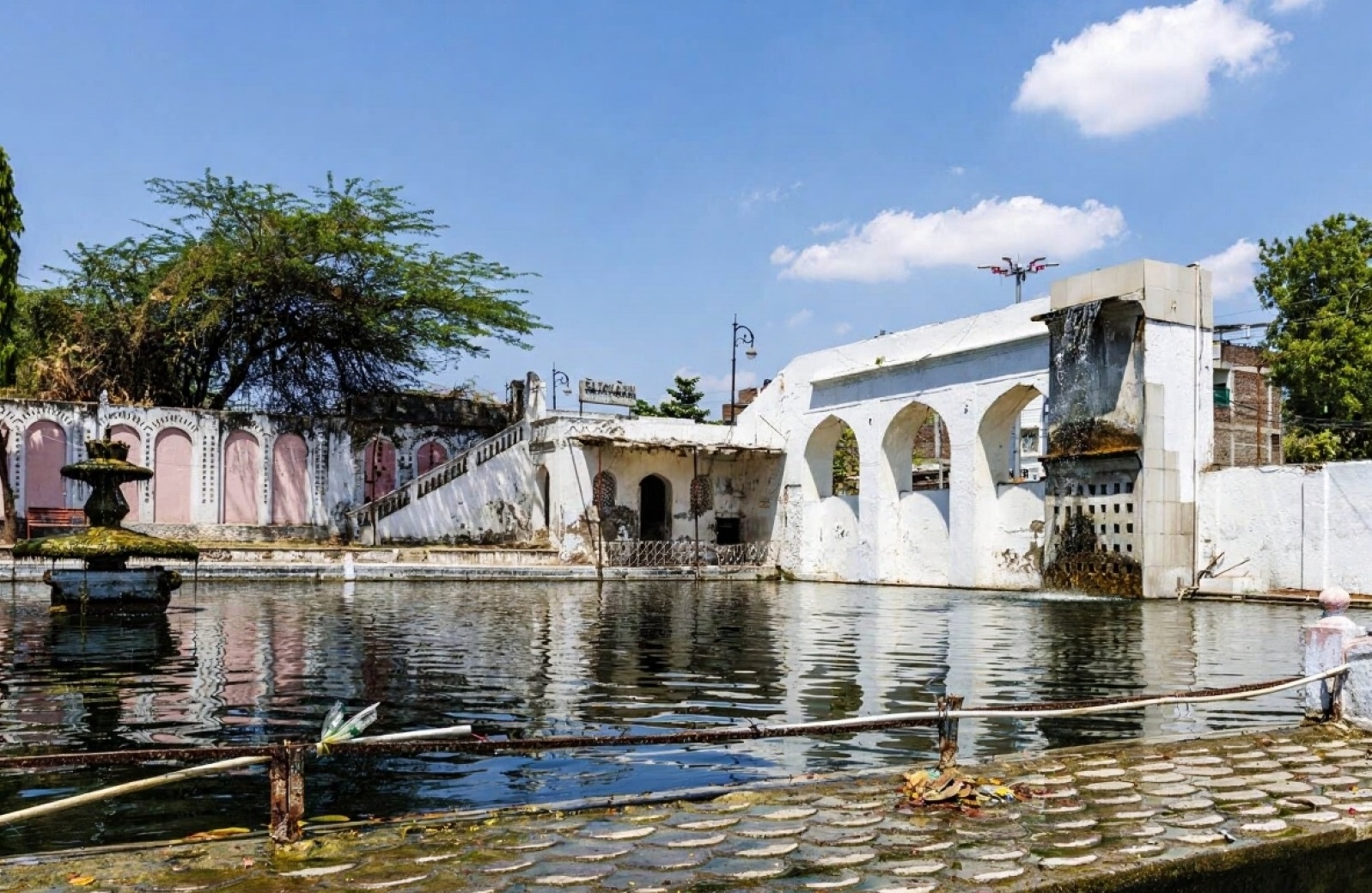
Beyond its technical brilliance, Panchakki is also a place of spiritual importance. The complex includes a mosque, madrasa, library, garden, and fountains, making it a hub of learning and devotion in its era. The tranquil atmosphere and the sound of flowing water create a sense of serenity that continues to attract visitors and devotees alike.
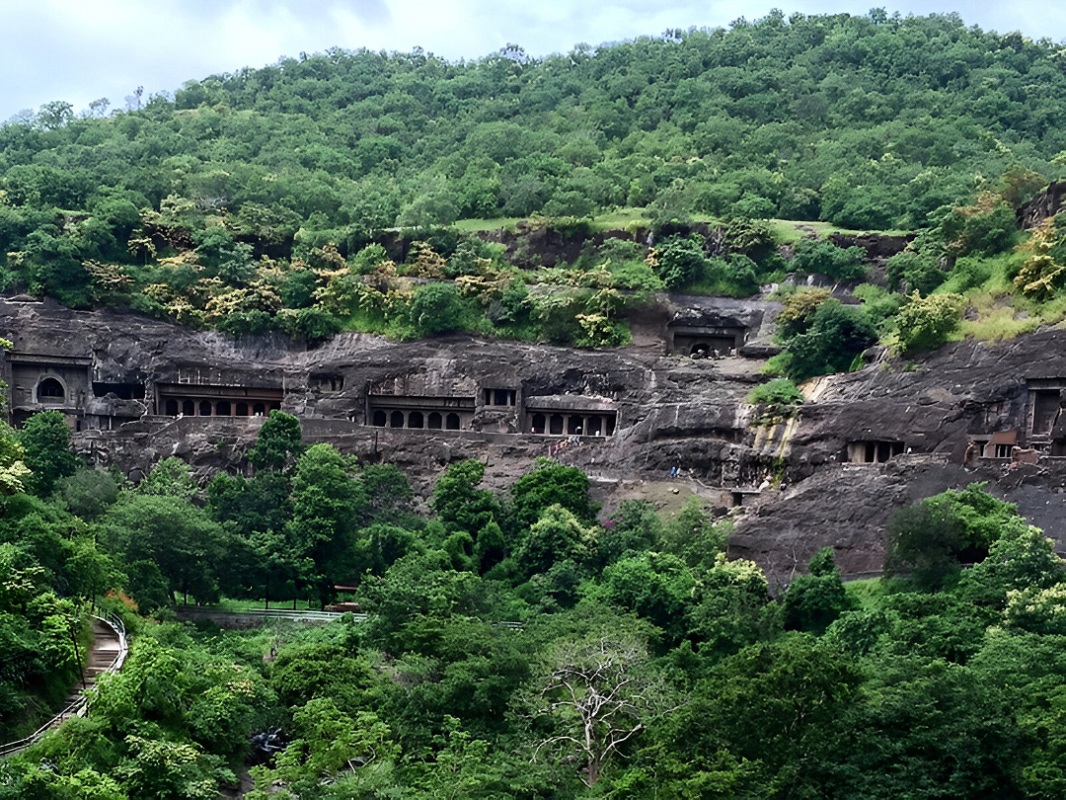
Nestled in the scenic Satmala hills of the Western Ghats, around 40 km from Chhatrapati Sambhajinagar (Aurangabad), the Pitalkhora Caves are among the oldest rock-cut Buddhist cave complexes in India. Dating back to the 2nd century BCE, these caves stand as a magnificent testament to early Buddhist architecture and artistry.
The Pitalkhora Caves, often called the “Bronze Caves” due to the yellowish hue of the basalt rock, consist of 14 rock-cut monuments carved into steep cliffs. The caves belong to the Hinayana (Theravada) phase of Buddhism and were used as monasteries (Viharas) and prayer halls (Chaityas) for monks. Inscriptions and sculptures found here offer valuable insights into the religious and cultural life of ancient India.
The caves feature intricately carved pillars, stupas, and animal motifs, including elephants, lions, and guardians that symbolize protection and strength. Although time and weather have eroded some of the carvings, the site still preserves exquisite remnants of Buddhist iconography and architectural brilliance. The surrounding waterfalls and lush greenery make the experience even more enchanting, especially during the monsoon season.
The Pitalkhora Caves are located about 40 km west of Chhatrapati Sambhajinagar (Aurangabad) and are easily accessible by road. The final approach involves a short trek down a picturesque valley, adding a touch of adventure to your visit.







 4+1 Seater
 2 Large
Bags
2 Large
Bags
 AC Cabs
 Professional Driver